Why preparation matters when disaster response is delayed
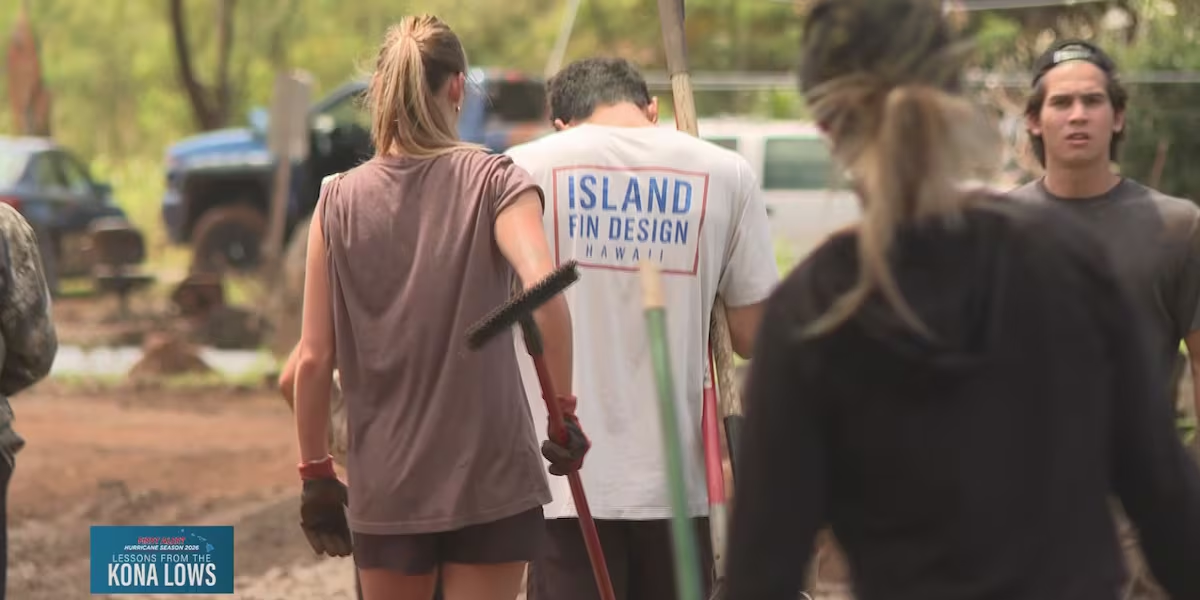
HONOLULU (HawaiiNewsNow) – After natural disasters, residents often see community groups mobilize faster than government agencies, a reality that can frustrate people waiting for help.
Read more State finalizes agreement to acquire Wahiawa Dam and irrigation system
Emergency managers say there are practical reasons official response can take time, including damaged infrastructure, road closures, power outages, staffing challenges and bureaucratic hurdles as rescue crews prioritize life-safety missions.
Jennifer Walter, deputy director of the Honolulu Department of Emergency Management, said government is typically focused first on opening roads, conducting search and rescue and coordinating with state and federal partners to bring in additional aid.
“It’s not reasonable that for an island of a million people we can meet everybody’s immediate needs,” Walter said.
She added that planning assumes people who are able will take care of themselves, while officials work to direct resources to those who cannot.
MORE: First Alert Hurricane Season 2026: Lessons from the Kona lows
Ocean Safety lifeguard Joey Cadiz said he believes “the speed of the government support could have been accelerated a little bit more,” but said he has also learned why delays happen. He pointed to the way communities step up immediately — and continue supporting one another long after the initial crisis.
“The fact that the community was able to stand up and support each other in the immediate and still continues to this day, I think that in itself should be recognized,” Cadiz said, adding that community-led efforts could be used as a model for future disasters.
That community response has been seen across the state, including after the Maui wildfires and North Shore flooding.
Read more ‘We felt hollow’: Otake Camp flood survivors urge preparedness
Waialua resident Ricardo Taveira said he went into action after the Kona low storm flooded his neighborhood. He said he began filming what was happening on Kukua Circle and used social media to rally help for a neighbor.
He said community donations grew quickly, allowing him to organize drop-off and pickup locations in Waialua and help residents replace damaged appliances.
“A lot of people came and they all got new appliances, so it was beautiful to watch,” Taveira said.
Communities statewide have long memories of coming together after major disasters, including on Kauai in the aftermath of Hurricane Iniki — and officials say it’s likely to happen again.
In the meantime, the best advice is to be as self-reliant as possible and prepare early. Viewers can find disaster preparation tips on the Hawaii News Now Weather app.
With the season still early, officials note families can build a hurricane kit over time rather than buying everything at once.
Read more Maui Gold debuts new brand in celebration of pineapple week




Post Comment