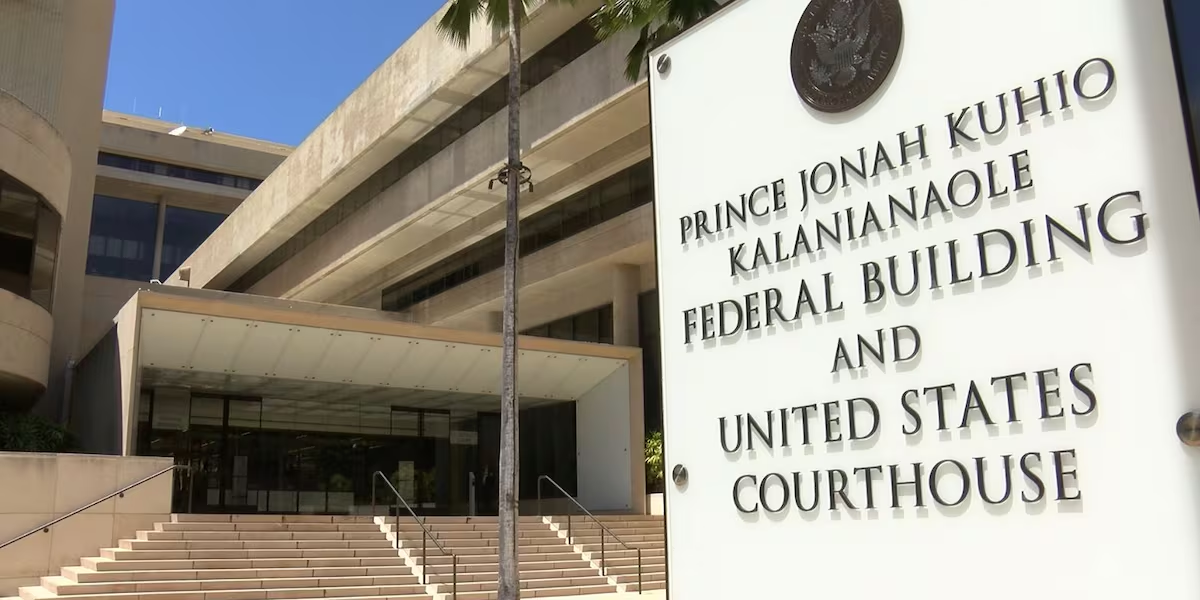
Hawaii green card holder accused of using cryptocurrency to skirt Iran sanctions
HONOLULU (HawaiiNewsNow) – A green card resident in Hawaii is accused of sending money to Iran through non-traditional banking channels over several years, according to federal court documents.
Read more Wildfire prompts evacuations in Waikoloa Village
Federal prosecutors say Arash Einolghozati, 37, had been working to send money to Iran since March 2020.
Cryptocurrency and digital payment apps cited in filings
Court filings include conversations between Einolghozati and others. “Participant #1″ asked whether it is illegal to send cryptocurrency.
Another person described as “participant #2″ replied that cryptocurrency is not traceable. Then Einolghozati joined the conversation, suggesting Coinbase, a U.S.-based digital currency exchange app.
Einolghozati is then accused of using a Coinbase account to send 72 transactions totaling approximately $109,000. Court records show he also used other electronic money companies, including PayPal, to send more money, bringing the total sent to about $150,000.
Criminal complaint on Arash Einolghozati by HNN
Sanctions violations alleged
Einolghozati is charged for violating sanctions rules that have been in place since 1995.
Retired federal public defender Alexander Silvert said the case centers on how the money was moved.
“The allegation is that the person evaded the sanctions by going through non-traditional banking methods which are required under the sanctions,” Silvert said.
Read more 49th Na Hoku Hanohano Awards celebrate Hawaii’s top musicians
Defense attorney Victor Bakke, a former deputy city prosecutor, said the government takes such cases seriously.
“We’re at war with Iran,” Bakke said.
Arrest, bond, and cooperation
Einolghozati was arrested in Waialua in 2024. The 37-year-old is out on a $50,000 unsecured bond.
Court records show he claimed the money was going to family members in Iran, but no recipient was named specifically.
Silvert noted that sending money to family abroad is common, but carries different legal weight depending on the destination country.
“If you’re able to send that kind of money back home and to support your extended family, that’s great. It helps the family back in their home country. But most people, they’re sending money back to countries that aren’t sanctioned,” Silvert said.
Einolghozati was initially charged via complaint in 2024. New documents filed this month show he is now charged by information, which indicates he is working with federal prosecutors. He faces up to 20 years in prison and deportation.
Bakke said the cooperation could significantly affect his sentence.
“That will make a huge difference in his ultimate sentence, if he is able to give the government good information about how these currency markets work and how other people may be abusing the system,” Bakke said.
Read more Prosecutors charge 14-year-old in Waianae machete carjacking that ended in crash
His next court date is set for Monday.




Post Comment