Point-in-Time Count 2026 shows Oahu homelessness shifting toward shelters
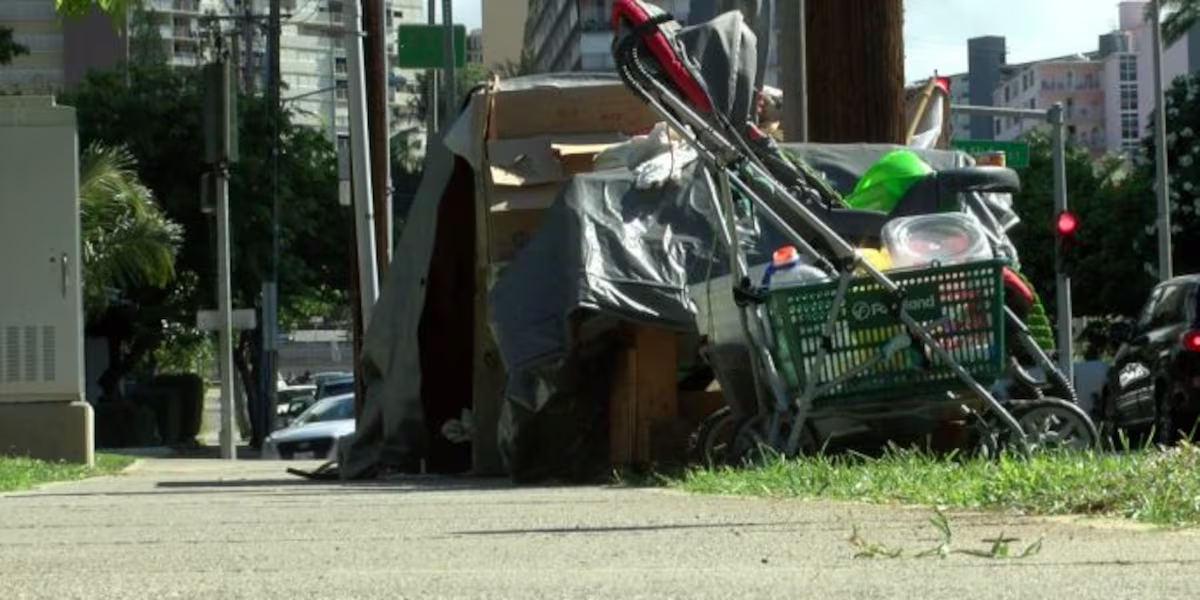
HONOLULU (HawaiiNewsNow) – A federally mandated survey found 4,539 people were experiencing homelessness on Oahu during the 2026 Point-in-Time Count, with new data showing a shift toward more sheltered individuals and a decline in the unsheltered population.
Read more First Alert Forecast: Gusty trade winds will be with us through the weekend
The Point-in-Time Count was conducted Jan. 26, 2026, with more than 300 volunteers surveying across the island from 6 a.m. to 10 p.m. It captures a one day snapshot of people experiencing homelessness through interviews, observations and service data compiled by outreach teams and agencies.
Of those counted, about 51% were sheltered and 49% were unsheltered. Officials said the unsheltered population dropped about 20% compared to 2024, marking the first time since 2018 that sheltered individuals made up the majority of the total count.
The report notes the survey is the result of months of planning with service providers, government partners and volunteers. Unsheltered data was collected using in-person interviews and an observational tool for individuals who could not be surveyed.
More than 1,000 unsheltered individuals were surveyed, including adults and unaccompanied minors. Overall, 54% of individuals were connected to the Homeless Management Information System, with most active enrollments concentrated in Coordinated Entry and Street Outreach programs.
Among survey respondents, 48% reported physical or mental health challenges, while about 8% said they were employed while experiencing homelessness.
Commonly cited causes of homelessness included inability to pay rent, job loss and health issues, according to the report.
Clifton Ahn, one of those surveyed, said medical costs pushed him into homelessness after unexpected surgeries drained his savings.
Ahn works as a dishwasher at the Honolulu Country Club while living in his car. Between shifts he searches for housing while caring for his pet turtle, Snoopy.
“All of a sudden I had these surgeries for Snoopy and I didn’t have enough funds to rent a place,” Ahn said.
Read more State Sen. Keohokalole enters race for Hawaii’s 1st Congressional District
He said the instability has been difficult to manage.
“I wasn’t ready for this. It’s not like I knew I was going to be at a shelter,” Ahn said. “It’s just the constant fear of being told that you have to move. It makes me feel like less of a human being.”
Ahn said Snoopy requires a feeding tube and ongoing medical care, costing him more than $1,000.
He says the money would have otherwise gone toward rent, but he continues to spend because, as he puts it, pets are family.
Officials also pointed to mental health outreach efforts as a possible factor in the decline in unsheltered individuals, including Act 219, which expanded the authority of crisis outreach teams to intervene in certain situations.
Honolulu Emergency Services Director Jim Ireland said the pilot program has already led to dozens of interventions involving people experiencing severe mental illness.
“We’ve done 64 already in a pilot program to get people off the streets… because some of the folks with mental illness lack insight,” Ireland said.
The report also found 802 children were counted, with most in sheltered housing. Domestic violence survivors made up about 10% of the overall population.
Partners in Care said the data will be used to develop targeted reports and online dashboards to better inform service providers and policymakers.
Read more Maui mural highlights underage drinking, drug use prevention






Post Comment