How to choose a reputable contractor for post-disaster construction and avoid scams
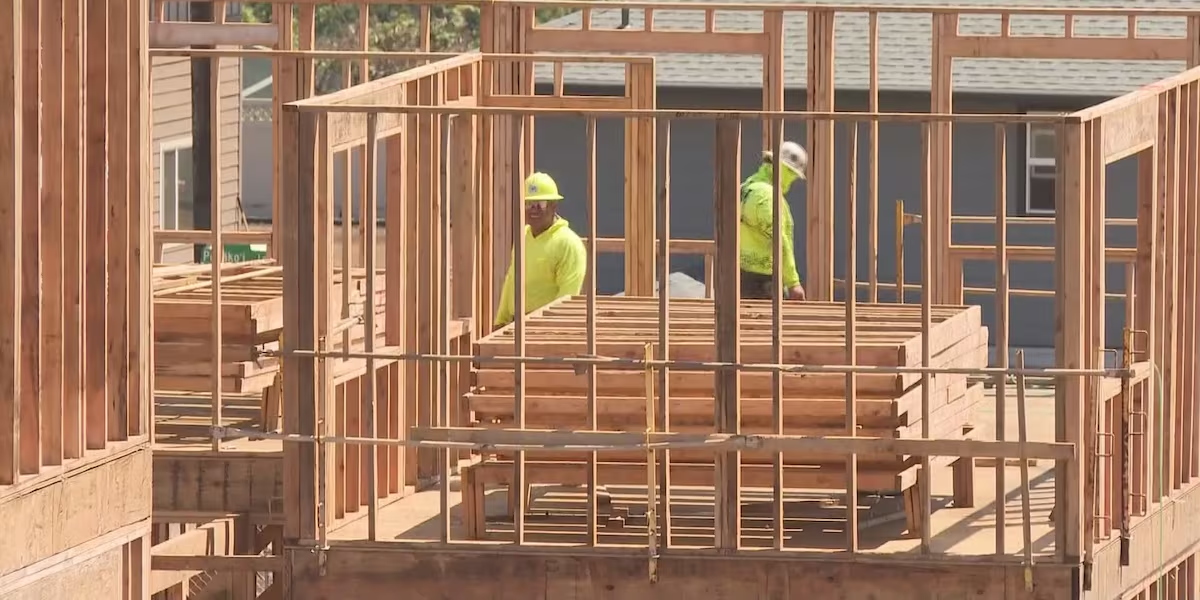
HONOLULU (HawaiiNewsNow) – About 300 homes on Oahu alone were deemed unsafe to live in after March’s Kona low storms, with residents now waiting to complete much-needed repairs.
Read more Titriyski leaving UH men’s volleyball program to pursue pro career
Experts say it will take time.
“If it’s been completely destroyed or over 50% damage, you now have to build to code based on FEMA guidelines as well as the state guidelines,” explained Roseann Freitas, CEO of the Building Industry Association of Hawaii. “There’s no skirting that.”
The Building Industry Association is reminding folks not to take shortcuts when rebuilding and to be wary of contractors who claim they can get you expedited service.
“Somebody may say that, but I would still call DPP just to verify, ‘Hey, I was impacted by this flooding. Do I, can I expect an expedited permit?’ And really, only they can tell if that’s going to be the case,” she said.
Freitas says disaster victims are vulnerable to contractor scams if they let emotion and desperation cloud their judgment.
Do your research and get different quotes before agreeing to any repairs, especially if someone offers to do a project for free or at a deep discount.
Read more Episode 47 of Kilauea fountaining begins
“If they are significantly lower than anybody else, what’s missing? And that’s when you go, OK, can you compare? And that’s comparing the scope from the different proposals,” she said.
Otherwise, you could be left with shoddy or unfinished work.
Fraud experts say it comes down to being vigilant.
“You wanna make sure that you are paying an appropriate price for quality work to be done at your home, so it doesn’t need to be redone later on, and you have to pay for it twice to be fixed,” said Attila Seress, CEO of cybersecurity firm Cypac.
Other tips for selecting a reputable contractor:
“Legitimate contractors will ask for a deposit. They need a deposit for materials, they need it for labor, but they’re not going to ask for every dime upfront. When they do, that’s a big red flag that this could be a scam,” Freitas said.
Individuals and families who sustained losses that are not covered by insurance should apply for FEMA aid by June 14, 2026. Funds can cover food, water, medicine, rental assistance, essential home repairs, and reimbursement for expenses like childcare, transportation and medical costs.
Simple steps to prevent further heartache when recovering from a disaster.
Catch “Covering the Cost with Annalisa Burgos” Wednesdays at 12:30 p.m. on HNN’s streaming app.
Read more Molokai residents wait for repairs nearly two months after second Kona Low





Post Comment