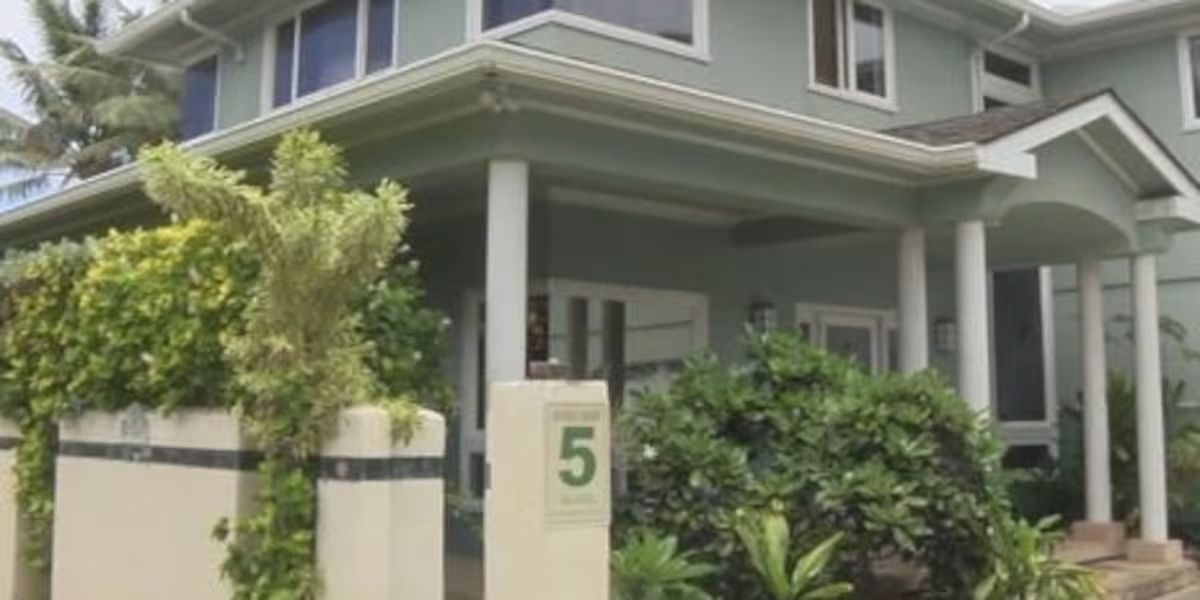
Watch for fake vacation rental listings in Hawaii, officials warn
HONOLULU (HawaiiNewsNow) – State officials are warning the public of increased scam activity involving fake vacation rental listings. This is as Hawaii already has one of the country’s highest rates of rental scams per capita.
Read more Hawaii AG challenges EPA’s disapproval of HECO air pollution reduction plan
With more budget-conscious and last-minute travelers looking for places on Airbnb, Craigslist and social media, experts urge deal seekers to be wary of listings that look too good to be true.
Scammers will “take the real listing from the trusted websites, duplicate it, and then repost them on social media, fake websites, or even on legitimate rental platforms,” explained Radji Tolentino, enforcement attorney for the State Office of Consumer Protection. “But what makes this especially dangerous is how convincing these listings can look. The photos are real, but the listing itself is not.”
When a victim responds to a fake ad, the scammer demands payment quickly through wire transfer, payment apps, gift cards, or cryptocurrency. That’s a red flag.
“After the money is sent, the victim either arrives to find the rental doesn’t exist or learns it was never available in the first place,” Tolentino said.
Another red flag is a daily rate that’s far lower than similar properties in the area.
“If you see a beachfront condo that’s hundreds of dollars cheaper than everything else nearby, that’s a common tactic scammers use to lure people into booking quickly without thinking it through,” Tolentino said.
His advice? Look out for vague information and poor writing in listings. If the account is brand new and doesn’t have reviews, it could be a scam.
Read more First Alert Forecast: It’s All About Fausto
To check if a listing is legitimate, request to see proof of ownership or ask for a virtual property tour through a video call.
“We also strongly recommend doing a bit of independent verification before you book,” Tolentino said. “That can include searching the property address online to confirm it exists, doing reverse image search on the listing photos to see if they appear elsewhere, checking whether the property is legally registered if applicable, and looking at nearby listings to see if pricing is consistent with what you see online.”
If you think you’ve been scammed, stop all communication. Take screenshots of the ad and your conversations and report it to law enforcement and your credit card company.
“Do your homework, look at the ad. If it’s too good to be true, basically, it probably is,” Tolentino said.
For more information on scams and how to protect yourself, visit the OCP website at cca.hawaii.gov/ocp or call 1-844-808-DCCA (3222).
Nonprofit Operation Shamrock also offers education and fraud victim services. Go to operationshamrock.org to find about more.
Read more Woman identified in deadly head-on crash on Highway 11 in Volcano




Post Comment