Hawaii construction industry pushes constitutional amendment to lower housing costs
HONOLULU (HawaiiNewsNow) – Hawaii’s construction industry is pushing for a constitutional amendment that would make it easier and less expensive to build housing, but supporters are concerned the issue might be confusing to voters.
Read more ‘Praying for recovery’: Small Waiohinu church left devastated after Hurricane Lala
Rise Together Hawaii, a PAC formed by a coalition of development groups, has released commercials to promote what are called RISE bonds, which the group claims will make housing more affordable.
One Rise Together ad states, “We pass them everyday without thinking twice aging bridges centuries old pipes crumbling roads.”
What the amendment covers
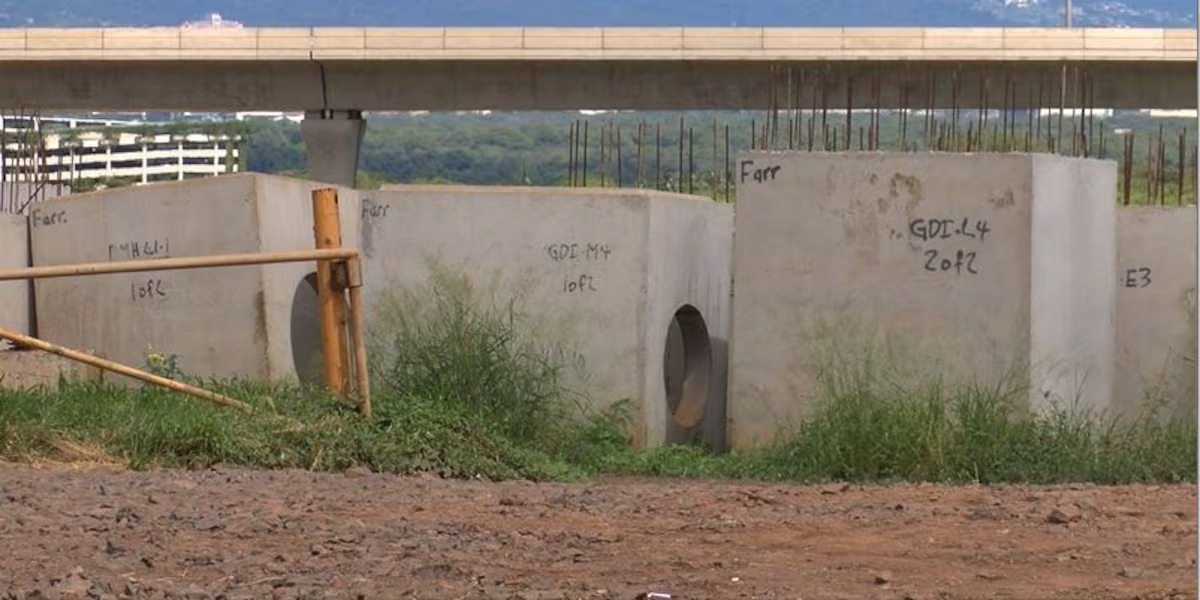
Constitutional amendment question 2 is mostly about paying for new roads, bridges and water systems, which until now housing developers had to pay for themselves upfront. One example is the widening of Farrington Highway, which is being paid for by the developer of Hoopili and folded into the cost of the homes.
“I can go broke just because of the cost of the infrastructure that you need to front load because the infrastructure needs to be built first before you can build the homes,” said Stanford Carr, a leading local developer.
How the bonds would work
The tax-free bonds, already used across the country, are paid back from future property taxes generated by new homes and businesses in an improvement district. That represents a front-end savings to housing developments, and lawmakers agreed to put the amendment on the ballot for voter approval.
“By having the infrastructure put in place by government through these types of creative financing you can lower the cost of housing by about 30 percent and that directly benefits our people,” said Andrew Perreira, representing Pacific Resource Partnership at a hearing in March.
Read more One week after Hurricane Lowell, Kauai reports progress on power, school reopenings
During hearings, lawmakers were reassured that if a development fails, taxpayers won’t be on the hook, while the bonds generate billions for new infrastructure. One potential beneficiary is the new Aloha Stadium and entertainment and housing district Carr is developing.
Carr said less expensive financing will make a difference.
“That this is good for government, it’s good for our community, it’ll create jobs, it’ll create housing, it’ll create the necessary infrastructure we need to build more housing,” Carr said.
Concerns over voter confusion
The way the amendment appears on the ballot could confuse voters, who might skip it, which could kill it.
“We’re concerned that, you know, it’s complicated,” Carr said.
“And what they don’t want is for folks to just leave that ballot blank because the way you pass amendments in Hawaii is you need a majority of all votes cast. So those blank votes account against it,” said Colin Moore, HNN political analyst.
“And so we’re going on a very aggressive campaign to educate the registered voters on why, and this is so important and why we need this,” Carr said.
Another concern that might lead to blank votes on Oahu is voter fatigue, with 20 proposed amendments to the Honolulu City Charter for voters to get through.
Read more 21st Annual CANstruction returns to Downtown Honolulu




Post Comment