U.S. inflation rate eases to 3.4% in July, but food prices still on the rise
HONOLULU (HawaiiNewsNow) – U.S. consumer prices rose just 0.1% in July, slowing down the annual inflation rate to 3.4%.
Read more Maui Police Department addresses federal bribery case involving high-ranking lieutenant
Stabilizing gas prices are fueling a second month of an inflation cooldown, but overall prices are still rising, and wages aren’t keeping up, especially in Hawaii.
“How many times I got to apply for the food stamp? I only get $40.41 dollars a month. How you live with the $40 a month?” said one grocery shopper in Kalihi. “Every place you go, everything is expensive.”
July inflation data shows most grocery staples are more expensive than last year.
Bread prices are up 3.7%, fresh fruits and vegetables rose 5.5%, and non-alcoholic drinks climbed 2.9%.
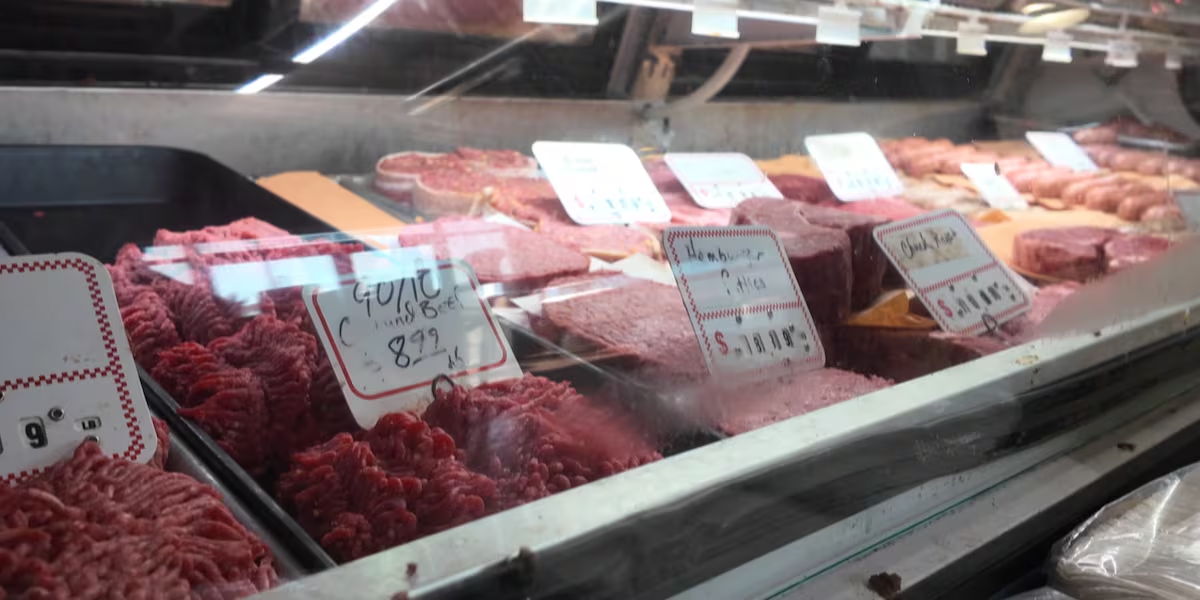
Beef is now a luxury for some families, with prices at record highs — 12% more expensive than it was a year ago.
The national average retail price for all-fresh beef is about $10 a pound.
Ranchers blame higher costs, severe drought, and a national shortage of cattle.
“75% of the land for our cow herds in the nation or on the mainland are in drought conditions. so until it rains, we’re not going to be able to produce much more product because we won’t have the calves,” said Pono Von Holt, co-owner of Ponoholo Ranch on Hawaii Island and board member of the Hawaii Cattlemen’s Council.
Higher prices are forcing many shoppers to buy less groceries or make unhealthy choices.
“For lunch, for a little salad and grapes and cheese, they’re all $1 or $2 higher than it used to be,” said another shopper. “We’re losing weight whether we want to or not.”
Read more Oahu flood survivor turns garage into community storm-prep hub
“I was in Molokai earlier last week and a bag of Lay’s chips was 10 bucks. 10 bucks?!” said another shopper. “A lot of people would just choose to not eat because the food’s so expensive but then I also went deer hunting and like it opened my mind that if we’re more sustainable, we’re like growing food, raising food, then we’d be healthier, we’d have more community and more independent.”
Despite rising food prices, new restaurants are opening across the islands, including Mikiya Wagyu Shabu House, which expanded to a second location on Kapahulu.
The eatery serves premium wagyu cuts from Japan, Australia and the continental U.S.
“We always go straight to the distributor so how to lower the cost? I don’t want to raise the amount from the customer,” said Mikiya owner and restaurateur Jack Zhang. “I think we need to do more so I hope people can see we do a great job.”
Restaurateurs hope to offset high food prices and tariffs, with more business, from diners looking for quality and value.
“We have to do more with same or less so that’s part of learning the business and it’s been very, a little bit of a challenge at times, but we manage,” said Andrew Cherng, co-CEO of Panda Restaurant Group.
With the Iran war expected to keep pressure on prices, budget-conscious consumers and sustainability advocates say now’s the time to invest in local agriculture and food sources.
Read more ‘The time is now’: City urges homeless to seek shelter ahead of storm







Post Comment