Dept. of Health confirms eighth travel-related dengue virus case on Oahu
HONOLULU (HawaiiNewsNow) – The Hawaii Department of Health (DOH) has identified a new travel-related dengue virus case on Oahu, bringing the total number of dengue cases in the state to eight for 2026.
Read more First Alert Forecast: Improving weather as we head toward the weekend
The affected individual was exposed while traveling in a region where dengue is common. No connection to any prior cases in Hawaii have been found. DOH teams have been deployed to conduct inspections and implement mosquito control measures in the affected area.
Due to the circumstances of this case, the expected risk of transmission is low. However, with recent heavy rain, this case is a reminder for the public to eliminate standing water as much as possible. Reducing standing water helps prevent mosquito breeding and can reduce the risk of local transmission of vector-borne diseases.
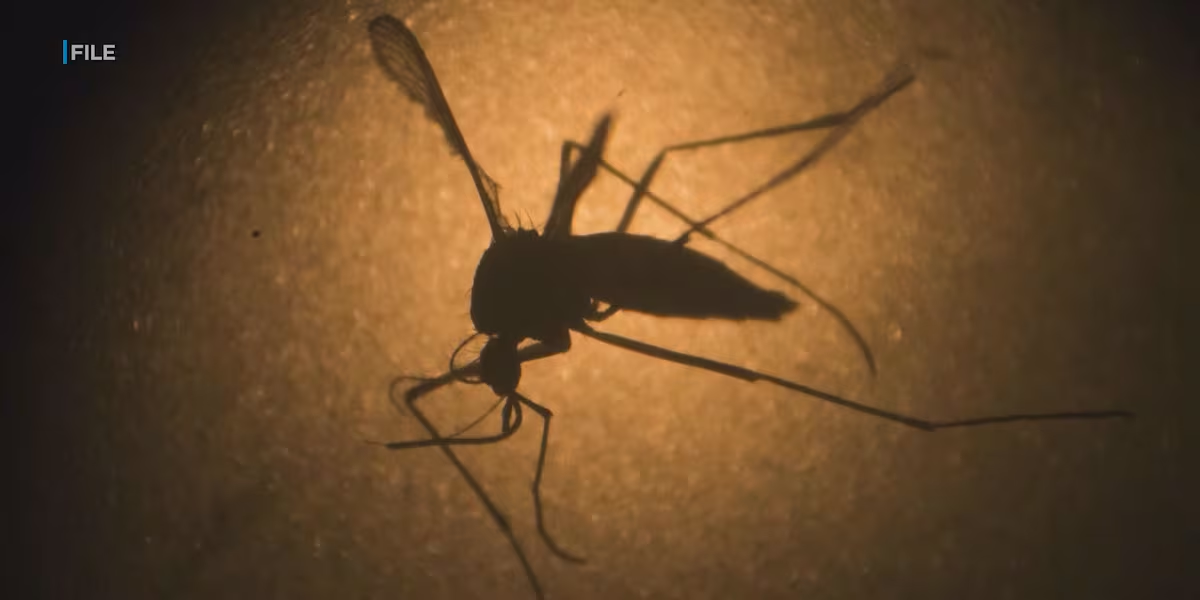
Dengue virus is transmitted from an infected person to a mosquito and then to another person. While Hawaii is home to mosquitoes that can carry dengue, the disease is not endemic (established) in the state. Cases are currently limited to travelers.
Of the eight dengue cases reported in Hawaii in 2026, all have involved travel to Pacific Island countries and territories.
Dengue is a year-round risk in tropical and subtropical areas of Central and South America, including Brazil and Mexico; Asia, including the Philippines; the Middle East; Africa; and several Pacific islands, including American Samoa, the Federated States of Micronesia, the Republic of the Marshall Islands and the Republic of Palau. Many popular tourist destinations in the Caribbean, including Puerto Rico, are also affected. Some countries are reporting higher-than-usual numbers of dengue cases, including Bangladesh, Bolivia, Cambodia, Costa Rica, Cuba, Ecuador, Kenya, Malaysia, Maldives, Marshall Islands, Panama, Sri Lanka, Vanuatu and Vietnam.
Travelers should review current, country-specific travel information for guidance on dengue risk and prevention measures at least four to six weeks before traveling.
Read more Temporary drone restrictions set for Ironman World Championship in Kailua-Kona
Anyone planning to travel to or who has recently visited an area with dengue risk may be at risk for infection. The CDC advises travelers to take standard precautions when visiting such areas. These include using an Environmental Protection Agency-registered insect repellent, wearing long-sleeved shirts and long pants outdoors, as well as sleeping in air-conditioned rooms, rooms with window screens or under insecticide-treated bed nets.
Travelers returning from areas with dengue risk should take precautions to prevent mosquito bites for three weeks. If symptoms develop within two weeks of returning, travelers should seek medical evaluation.
Symptoms of dengue can range from mild to severe and include fever, nausea, vomiting, rash and body aches. Symptoms typically last two to seven days. While severe illness can occur, most people recover within a week. Individuals who have recently traveled and are experiencing these symptoms should contact their healthcare provider. Healthcare providers and individuals who suspect dengue infection are advised to call the Disease Reporting Line at 808-586-4586.
More information about mosquito control is available on the Vector Control Branch (VCB) website.
For current travel health information and guidance, visit the Centers for Disease Control and Prevention (CDC) travel website.
Read more Panama earthquake poses no tsunami threat to Hawaii







Post Comment