UH study finds elevated toxic metals in Maui residents months after 2023 wildfires
HONOLULU (HawaiiNewsNow) – A new study from the University of Hawaiʻi has detected substantially elevated concentrations of toxic metals in Maui residents’ months after the devastating August 2023 wildfires.
Read more Hawaii Island residents, businesses urged to report storm damage from Hurricane Nolo
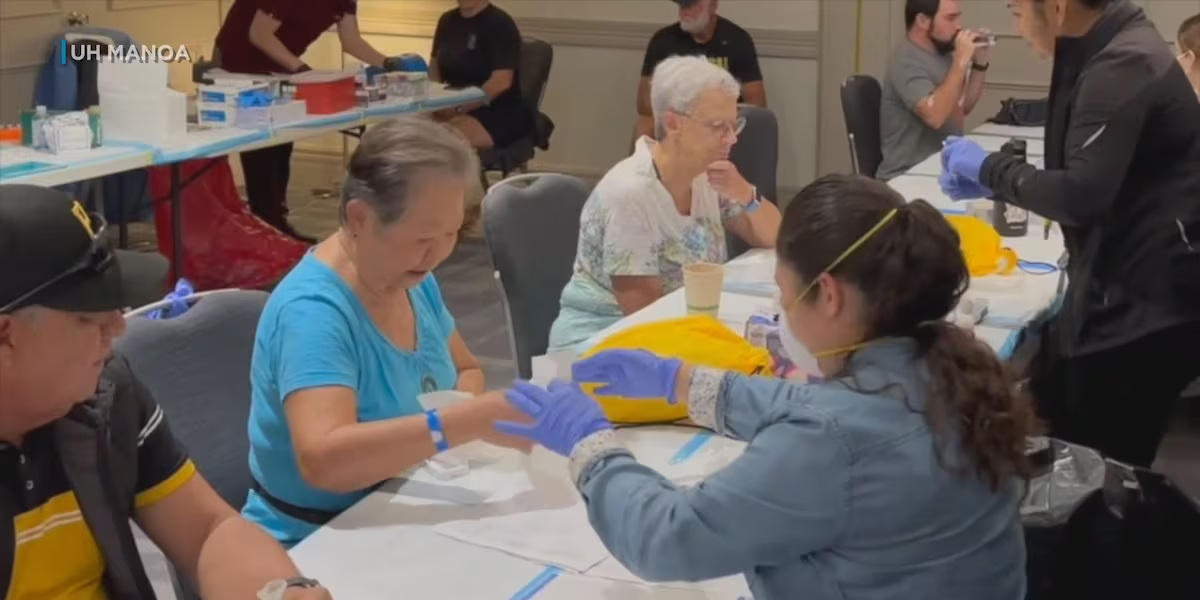
The findings come from the Maui Wildfire Exposure Study (Maui-WES), which tested roughly 1,400 adult participants six to 18 months following the disaster.
According to researchers, laboratory urine tests revealed significantly elevated levels of several heavy metals. Crucially, higher accumulations of these substances in the body were directly tied to abnormal lung function.
“The people with higher combined metal exposure were consistently more likely to have abnormal lung function tests, and importantly, it was not one metal,” Ruben Juarez Co-director of Maui-WES said. “The mixture itself, particularly metals such as arsenic, cadmium, copper, and antimony, appeared to matter the most.”
While the findings raise serious health concerns, researchers noted that some baseline metal exposure may have existed prior to the disaster due to Hawaiʻi’s unique volcanic geology and environment.
The next phase of research will focus on investigating the precise sources of the metal contaminants.
In September 2026, UH announced a five-year, $3.6 million grant from the National Institute of Environmental Health Sciences to investigate pollutants left behind by decades of agricultural and industrial activity across Hawaiʻi. Researchers will examine whether wildfires and other disasters remobilize those legacy contaminants, opening new pathways for human exposure.
The expanded project is led by researchers Alika Maunakea, Ruben Juarez, and Alison Lee of the Icahn School of Medicine at Mount Sinai. Over the next five years, the team will follow approximately 1,000 Hawaiʻi residents, combining environmental measurements, biological samples, and cardiopulmonary assessments.
Read more Repeated storms underscore flood mitigation needs on Big Island
Scientists say the data will help distinguish between persistent background exposures, legacy agricultural and industrial contamination, and direct disaster-related exposures—ultimately showing how the different sources affect heart and lung health over time.
Together, the projects shift the scientific focus from simply asking what the wildfire released to examining how a disaster transforms existing environmental contamination landscapes.
Researchers emphasized that the study is designed not only to document health effects, but also to connect participants directly with information and medical care.
Maui-WES participants receive access to their individual health results, opportunities to consult with specialists to discuss findings, and referrals when screenings identify potential health concerns. The study plans to continue tracking families over time to evaluate health changes during Maui’s ongoing recovery.
“We know these findings may be difficult for families who have already been through so much,” Juarez said. “Our responsibility is not simply to publish the science. It is to help people understand what we are finding, return information to the community, connect people with care when they need it, and continue learning alongside Maui as the community recovers.”
Resources for Maui residents
Research regarding the wildfires may raise health questions or bring back difficult memories. Maui residents can access the following community resources:
Read more New free UH program “Direct to UH” streamlines college applications for Hawaii seniors







Post Comment